
Renee Slegers Out at Arsenal: A Rapid Fall from Grace
27 November 2026
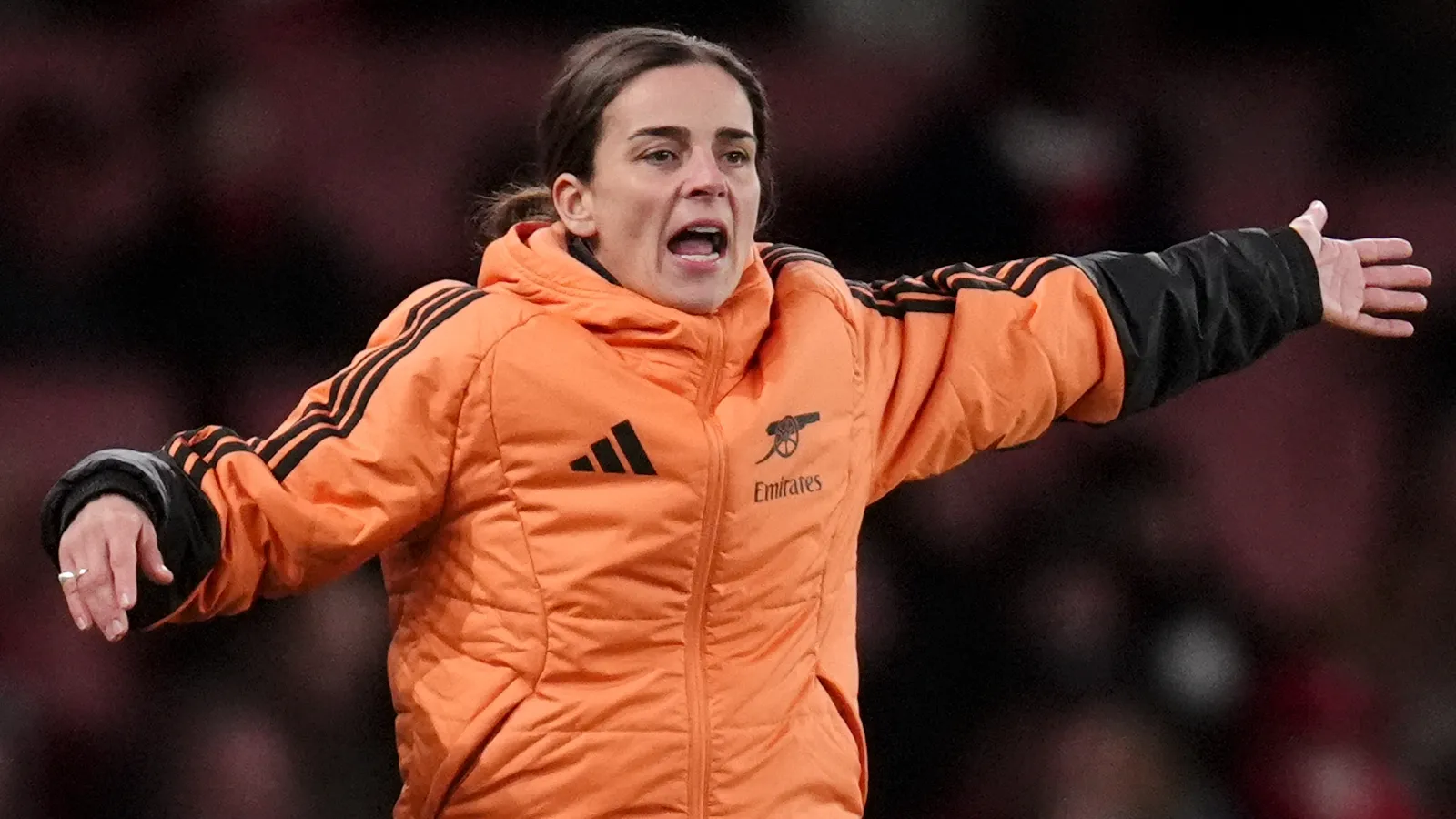
Renee Slegers has exited Arsenal after a brief two-year stint as head coach. What began with great promise spiraled into disappointment at breakneck speed, and it’s a remarkable fall from grace for the Dutch manager.
Slegers took the reins in October 2024, stepping up seamlessly from her role as assistant to Jonas Eidevall. The players were already familiar with her, establishing a good rapport that seemed to set the stage for success.
In just seven months, Slegers transformed an underperforming side into Champions League winners, achieving a historic victory over Barcelona in Lisbon—a feat that few anticipated when she first took charge. She called the triumph "above all expectations," but the highs would soon be overshadowed by the lows.
So, what went wrong so quickly?
Arsenal's squad, once packed with experienced veterans, has shifted towards a younger mix. While there's undeniable talent in the team, the departures of key figures like Katie McCabe and Beth Mead to rival clubs may have stripped the squad of its character and identity.
Adding to the woes, Victoria Pelova made a move to Spurs and has since emerged as one of the league's top scorers. The decision to let her go now looks like a significant misstep, especially as she boasts a better goals-per-game ratio than any current Arsenal player.
This season, Slegers has struggled to find a balanced lineup, often criticized for misplacing players in unfamiliar roles. Right-back Ona Batlle has been stuck at left-back, while Alessia Russo has spent nearly 40 percent of her league minutes in a No. 10 position.
Defensive consistency has been elusive, with Leah Williamson partnering with three different center-backs already, and the full-back roles are in constant flux. Slegers has fielded six different defensive setups in just 11 matches.
The frequent changes in the starting eleven—29 in total—are not entirely unusual given Arsenal's squad depth, but the lack of consistency has been detrimental. In-game tactical adjustments have been insufficient to secure vital points.
With only Olivia Smith managing to score as a substitute this season, it highlights a troubling trend of limited contributions from the bench. Such minimal impact from a squad with considerable depth reflects poorly on the coaching staff.
Arsenal’s inability to break down compact defenses has been a long-standing issue, worsened under Slegers' leadership. Teams now visit the Emirates with a game plan to secure a point, often leaving with just that.
While Arsenal can dominate possession thanks to their skilled players, their struggles in the final third have led to predictable outcomes—usually ending with a cross or a blocked shot.
Russo remains a key threat, but without sufficient creative support, she often finds herself isolated. This tactical rigidity has severely hindered Arsenal’s ability to win, particularly at home, where fans are left frustrated by six consecutive draws and a mere four goals.
The team's conversion rate for chances created is alarmingly low. In their recent goalless draw with West Ham, the conversion rate dropped to just 2.8 percent—a clear indicator of a deeper issue.
The electric atmosphere that once defined Arsenal matches has fizzled out, a telling sign of stagnation under Slegers. Last season, the Gunners won eight of their 11 home games. This year, the six draws have led to dwindling attendances and a noticeable shift in mood among fans.
There’s a lack of identity and energy surrounding the team lately. What was once a hope for a return to form now feels like a distant memory, with every home performance blending into the last—predictable and uninspired.
A total of six home draws can’t simply be chalked up to bad luck; opposing teams have learned how to exploit Arsenal’s weaknesses.
To add insult to injury, Arsenal's title aspirations have dwindled. They trail Spurs by five points, sit ten behind Manchester City, and are a staggering twelve points off league leaders Chelsea.
After an unexpected European triumph, Arsenal had a golden opportunity to build on their success. Sadly, that momentum has evaporated, leaving the club in decline and making a change in leadership unavoidable.