Jens Berthel Askou: The Possession Pioneer Revamping Toulouse
26 November 2026
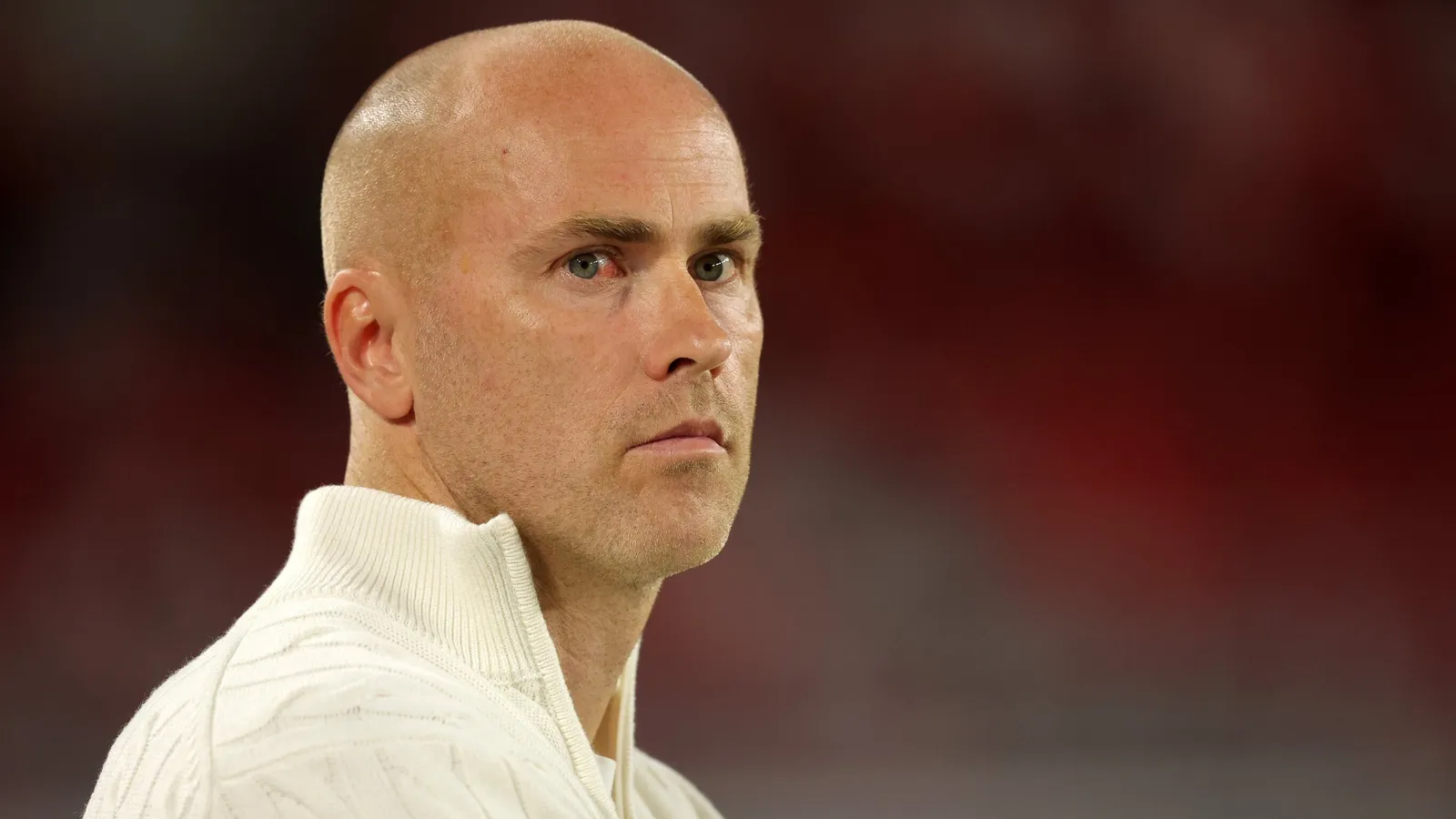
In an exclusive chat with Sky Sports, Toulouse's head coach Jens Berthel Askou opens up about his devotion to possession-based football, a philosophy he successfully implemented at Motherwell and is now bringing to Ligue 1.
When Askou first discussed his vision for Motherwell with Elijah Just, he faced some skepticism. Just, who had worked with Askou previously, needed reassurance that the plan would work.
Reflecting on his earlier coaching days in Denmark, Askou admits he held back from fully embracing his preferred style. "I just needed a little bit of time as a coach to be brave enough to do it," he explains. Now, at 44, he is indeed showing that bravery.
The former Norwich City defender is rapidly gaining a reputation as one of European football's most innovative tacticians. After revitalizing Motherwell, he’s set his sights on transforming Toulouse. Just, now at Swansea, recalls how they elevated Motherwell's possession stats from a mere 39 percent to an impressive 59 percent, playing a style few thought achievable.
"Motherwell gave me the next level of confidence and belief," Askou reflects. If he could achieve that in Scotland, he believes he can replicate it anywhere. "It’s a very similar journey here at Toulouse," he adds.
Taking over a team that struggled with ball possession, Toulouse ranked near the bottom of Ligue 1 last season. But under Askou, they’ve climbed into the top seven for possession. "It’s a significant change compared to last season," he asserts.
From the very first match against Lyon, Toulouse has been on the front foot, dominating and creating chances. "Our goal is to press high and keep the pressure on the opponent, attacking relentlessly without the ball. This isn’t just a game plan; it’s our identity," he says.
Living in southern France brings a different vibe compared to Glasgow. "People are still dining outside here," he chuckles. "It’s a fantastic city, but I also loved Glasgow’s west end. I miss the people there."
On the field, the challenges are similar to those he faced at Motherwell. Results may not fully reflect the underlying statistics, as Toulouse sits mid-table, yet Askou is confident. "The numbers suggest we should be in fourth place; it's clear what we’re doing right."
He used to believe that his ideas needed months to settle in, but he’s adjusted that view. "I’ve realized I can teach the basics in two weeks and be competitive in six," he says, noting a marked difference in his players’ desire for the ball.
However, mistakes leading to goals often invite criticism, particularly accusations of overplaying. "It’s one of those frustrating paradoxes in football," Askou comments. Coaches whose teams concede from long balls don’t face the same scrutiny, he points out.
His approach is unwavering, rooted in experience gained during his time as an assistant at Copenhagen. "That was pivotal for me. I knew I had to commit fully when I got my next shot as head coach," he reveals.
Askou emphasizes the importance of passion in coaching, stating, "If I’m going to invest my life into this job, it has to be enjoyable and exciting." He encourages his players to reconnect with the love of the game, reminding them that seeking the ball is key.
"Now, I have the experience and knowledge to remain calm and patient, spreading that courage throughout the squad. That resilience is essential to overcome any resistance we face," he adds.
Interestingly, his predecessor at Toulouse, Carles Martinez, has now taken over at Bayer Leverkusen after his successful period in France. Askou notes that Martinez aimed to introduce a more Spanish, possession-oriented style, but reverted to a pragmatic approach last season. "There’s no going back for me now," he asserts firmly.
While he remains open to new ideas, Askou understands the need for evolution in football. "I can’t keep doing the same thing for the next decade or I’ll fall behind. Curiosity and innovation are vital," he remarks. Yet, he maintains that certain principles are non-negotiable. His players will continue to demand the ball, even under pressure.
"To maximize performance, consistency in our approach and principles is crucial," he states. The commitment to bravery and dominating play will never waver.
How far can this philosophy take Toulouse? Askou points to the successes of teams like Bodo/Glimt in Norway and Como in Italy as proof that disruption is possible in football. "Opportunities exist everywhere in this sport," he concludes.